Overview
We know that diverse ethnic groups are under-represented in health research, which can mean healthcare treatments and services are less safe, accessible, and effective for these groups.
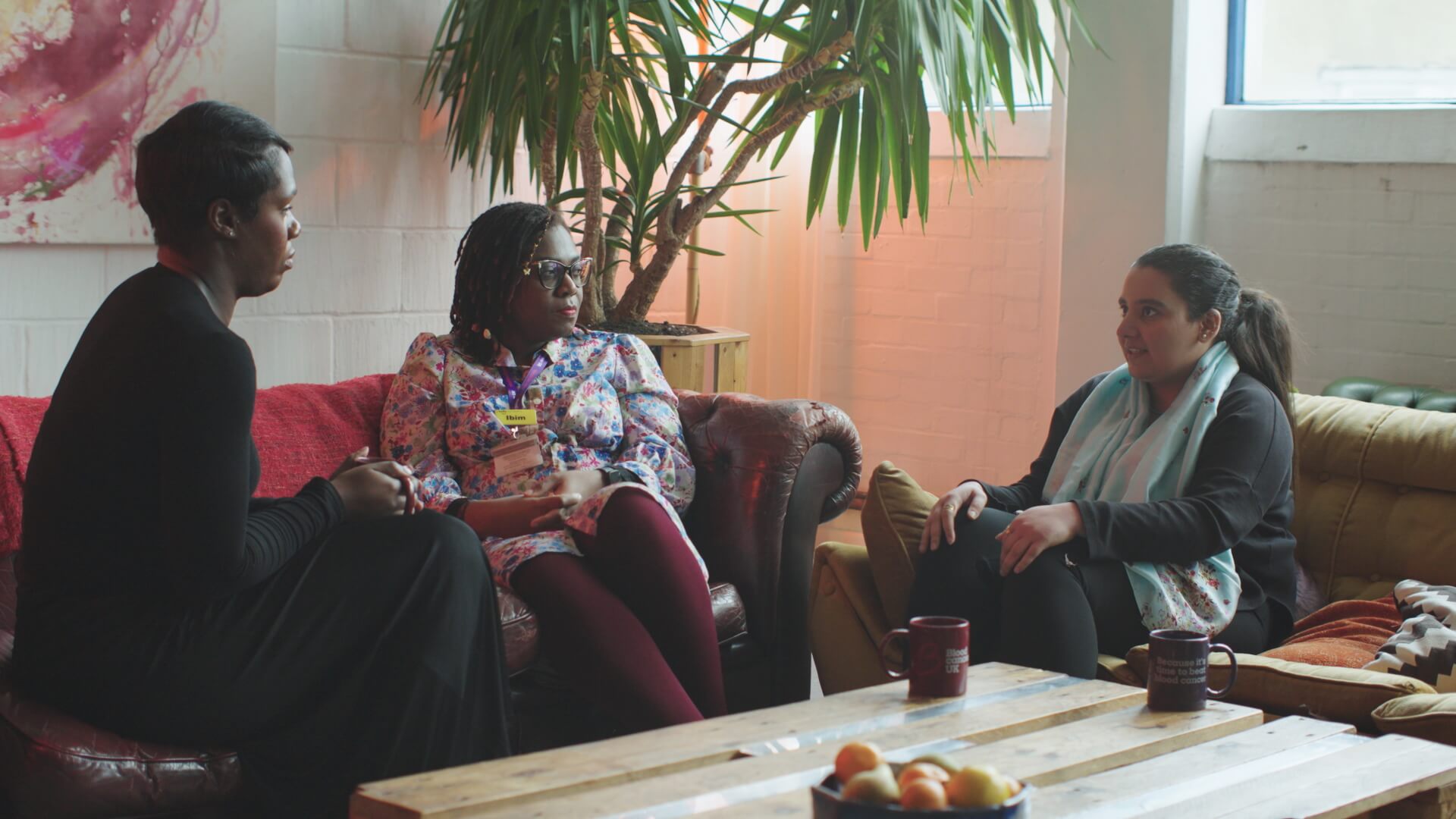
To address this, 8 medical research charities came together to work with Egality, 2 community organisations, and 8 people with lived experience to co-produce an awareness-raising film.
Our collective aim is to increase the number of people with lived experience from diverse ethnic groups who are actively involved in health research and ultimately improve health treatments and services. The spoken word film focuses on why diversity in PPI and in health research matters for people, families, and communities.
Here’s our film, produced by FreshRB CIC, with spoken word written & performed by Duke Al-Durham.
How do I get involved in health research?
‘Involvement’ signifies an active partnership in which people meaningfully contribute to and collaborate in all aspects and stages of research. Excellent involvement is purpose-led, inclusive, diverse, representative, accessible, values all contributions, ensures people have a meaningful say in what happens, and influences the outcomes of research.
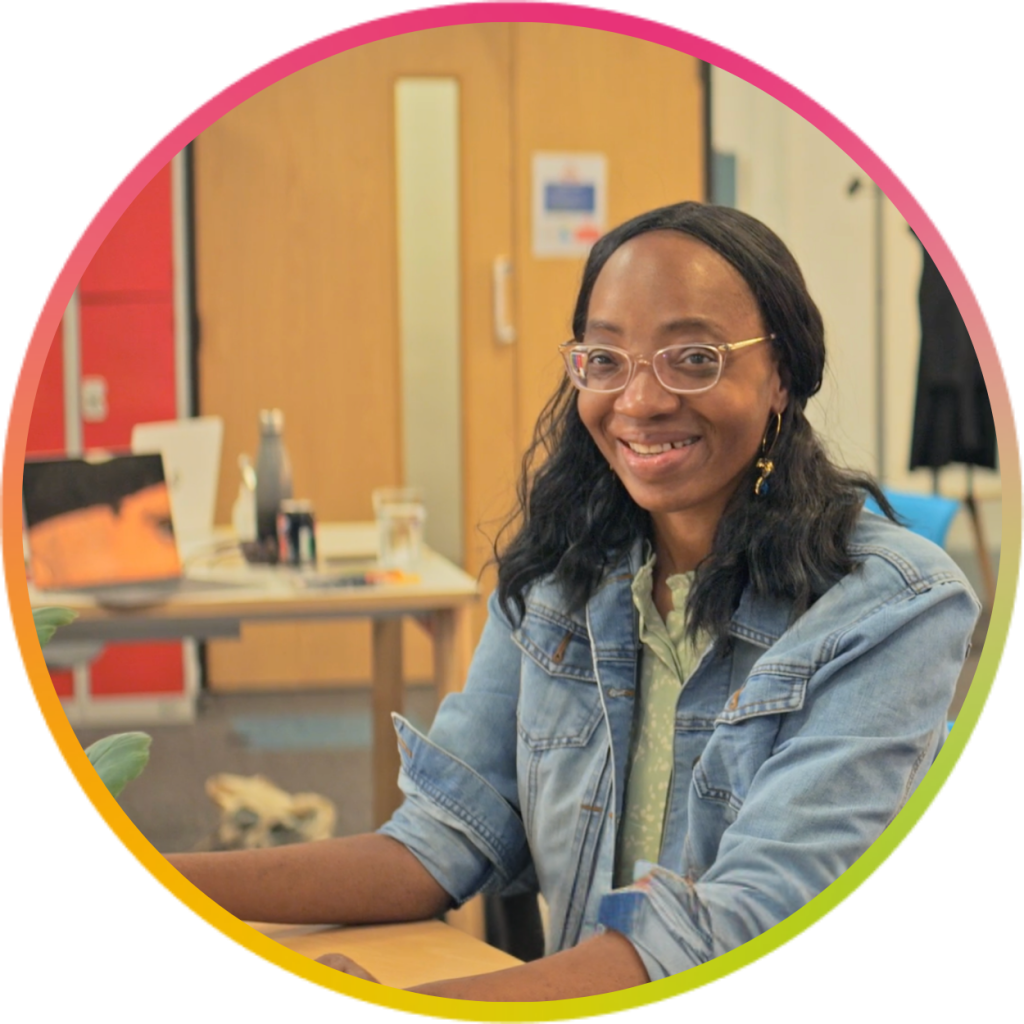
Somebody has to be visible, somebody has to make that noise and be where decisions are being made. I know the impact it will have!
Precious Jason
PPI Advocate
People can be meaningfully involved in research in various ways and throughout all stages of the research process. Some approaches that charities use include:
- Informing research priorities and what the focus of research should be
- Joining funding panels to assess if they think a researcher or a project should receive the funding
- Co-developing research methodologies with researchers to ensure inclusion of under-served groups
- Exploring ways to involve and empower diverse communities and/or develop inclusive trials
- Co-producing and conducting research as part of the research team
- Summarising, distributing, and sharing research findings and applied learnings
- Evaluating research on whether it has delivered its proposed objectives
- Contributing to governance and decision-making processes
I think it is so important that people from diverse communities be part of shaping research- to have our opinions, ideas, and views heard!
Parveen Khan
PPI Advocate

You can find out how to get involved with health charities’ research via this Association of Medical Research Charities (AMRC) directory.
We are very grateful to have worked with Duke Al Durham, our community organisation partners, and people with lived experience who helped us co-develop this project:
Chronically Brown
Ayo Ogunwumiju
Daniel Newman
Louisa Carby
Oluchi Naomi Awoyemi
Research Black
Parveen Khan
Precious Jason
Sukhjeen Kaur
Trishna Bharadia
Thanks to our sponsor health charities

Egality Health works with academics, life science companies, and medical research charities to improve inclusion in health research and tackle health inequalities.
You can read more about some of our other work here.
If you would like to work with us on similar projects, or have a specific under-served group you’re trying to reach, you can contact the team via email: team@egality.health